[Emri] / [Presentation Date]
The AI Job Shift
Areas of Impact: Jobs at Risk
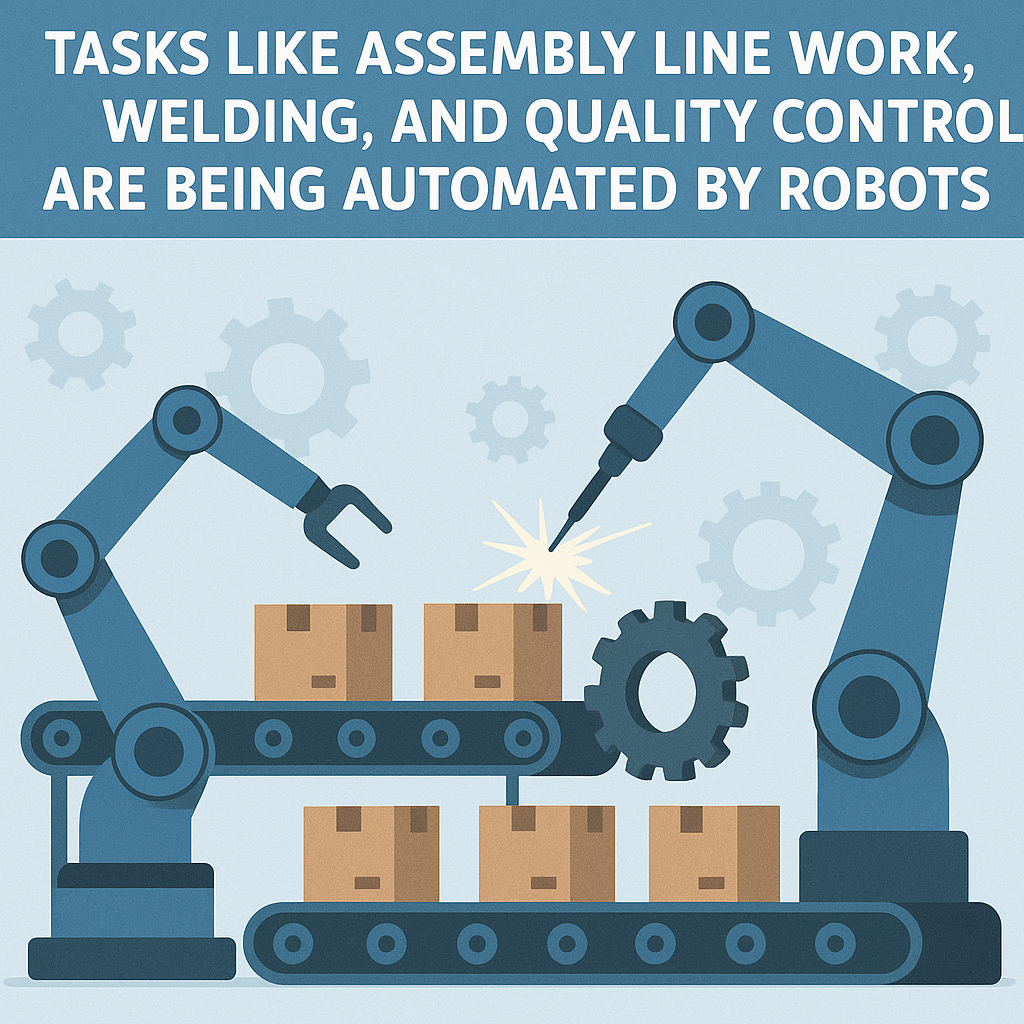
Manufacturing and Production
Customer Service

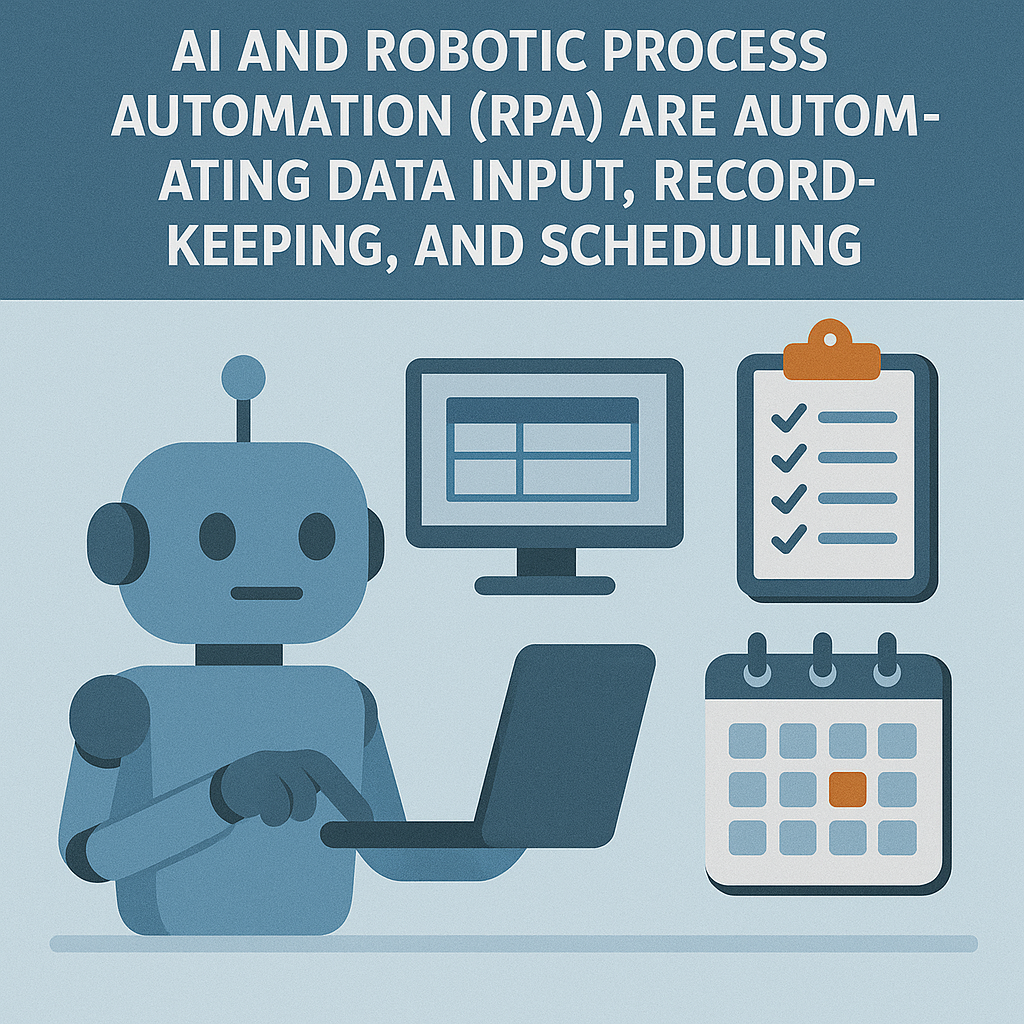
Data Entry and Administrative Tasks
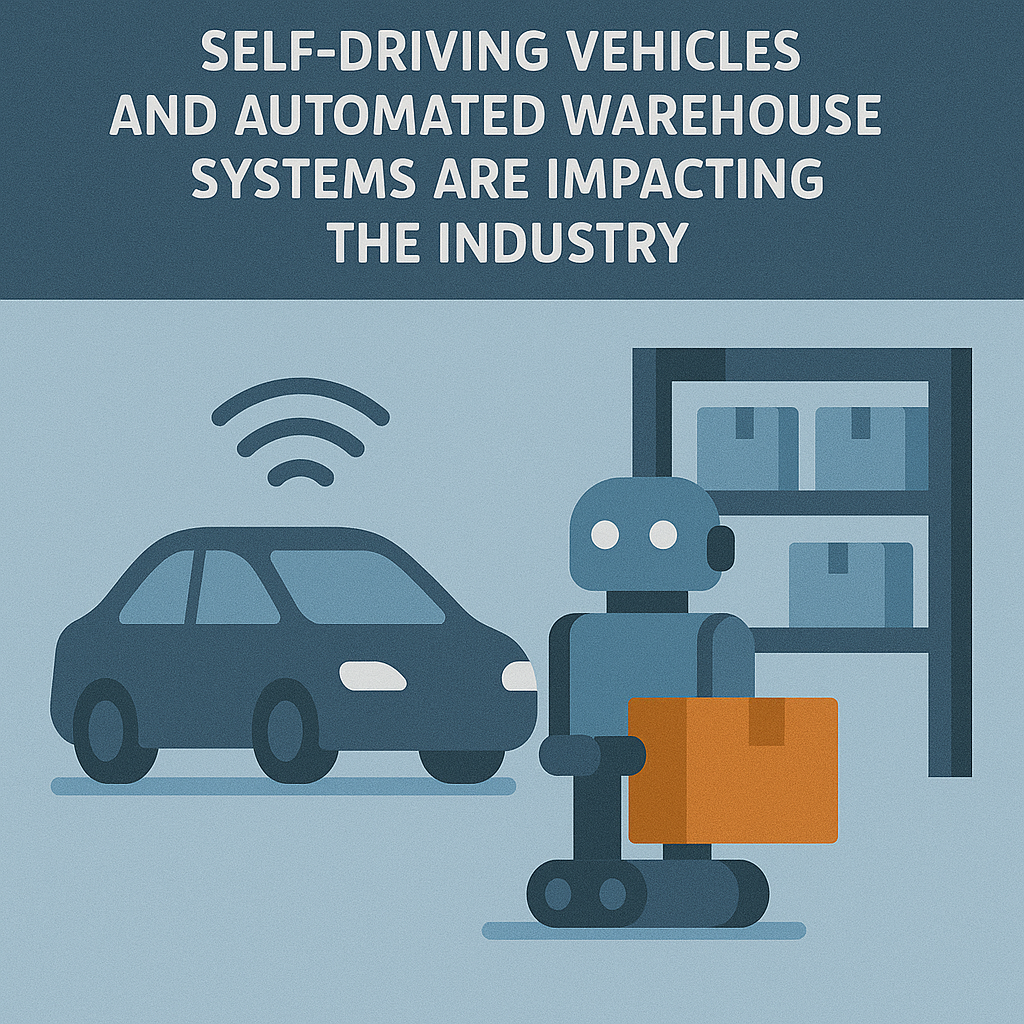
Transportation and Logistics
Retail

The Economic Implications
Potential displacement of workers in various job sectors may lead to increased unemployment.
Those with AI-related skills may see increased wages, while others in automated roles may face job losses or lower wages, widening the income gap.
Investing in education and training programs is crucial to equip workers with skills for the future job market.
Job Displacement
Widening Income Gap
Workforce Retraining
The Human Element: Skills in Demand
Critical Thinking and Problem-Solving
Analyzing complex situations and developing effective solutions.
Creativity and Innovation
Generating new ideas, concepts, and artistic expressions.
Emotional Intelligence and Interpersonal Skills
Empathy, communication, collaboration, and leadership.
Complex Decision Making
Ethical considerations, nuanced judgment, and understanding human behavior.
Adapting to the Future
Lifelong Learning and Skill Development
Continuously learning new skills and adapting to evolving job market demands.
Government Policies
Supporting workforce transitions through education, unemployment benefits, and potentially universal basic income.
Rise of New AI-Related Jobs
Emergence of roles in AI development, maintenance, data science, and AI ethics.
Ethical Considerations
Addressing challenges like bias in algorithms, data privacy, and responsible AI use.
Conclusion: The Future of Work
AI is evolving rapidly, accelerating its impact on the job market.
Repetitive tasks are most vulnerable, while jobs requiring creativity and critical thinking are more secure.
Adaptability and lifelong learning are crucial for navigating the changing job demands.
Careful consideration of ethical and economic consequences is necessary for widespread AI adoption.